For sensitive skin, two words on a label matter more than most marketing claims: fragrance-free. They are often confused with unscented, and the difference can decide whether a product calms your skin or sets off a reaction.
The difference
- Fragrance-free generally means no ingredients have been added to give the product a scent. It may still smell faintly of its raw materials.
- Unscented usually means the product has no noticeable smell, but it may contain a masking fragrance added to cover the odour of other ingredients.
Neither term is tightly defined in law in many countries, so the ingredient list is the final word.
Why it matters
Fragrance is consistently reported as one of the most common causes of allergic contact dermatitis from cosmetics. A product can contain dozens of separate fragrance chemicals, listed simply as "fragrance" or "parfum". In the European Union, a set of well-known fragrance allergens must be named individually on the label above certain levels, which helps people with a diagnosed allergy avoid them.
Spotting hidden scent
Look for:
- "Fragrance", "parfum" or "aroma".
- Named allergens such as limonene, linalool, citral, geraniol, eugenol or coumarin.
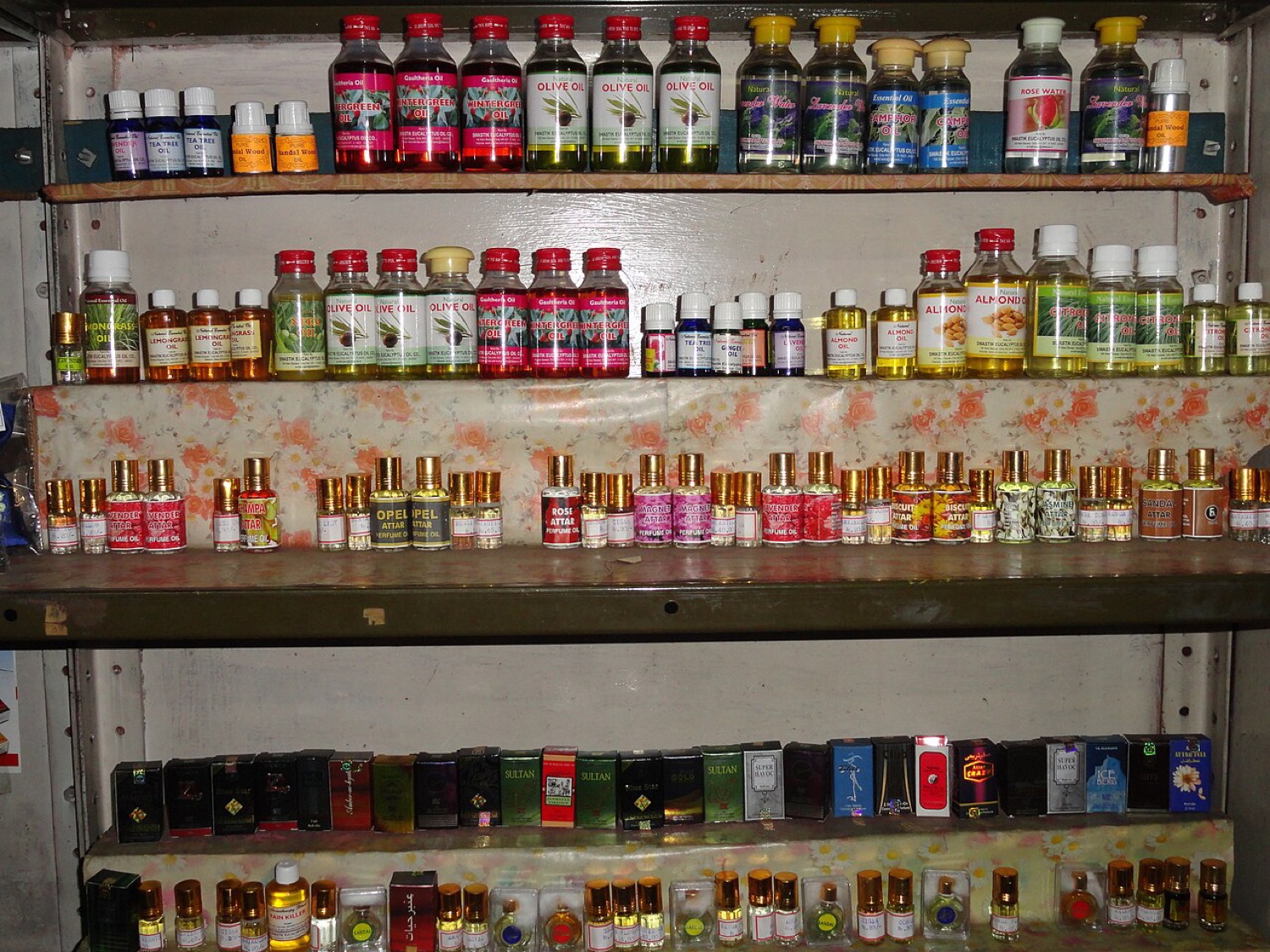
- Essential oils, often listed by Latin name: for example Eugenia caryophyllus (clove), Eucalyptus globulus or Citrus aurantium.
Essential oils are fragrance, however natural their source. A product can say "no synthetic fragrance" and still be heavily scented with plant oils.
Who should go fragrance-free
Anyone with eczema, rosacea, a known fragrance allergy or frequently irritated skin. It is also a sensible default for products left on large areas of skin, such as body lotion, and for anything used around the eyes.
Scent has its place
None of this means perfume is bad. Many people enjoy a signature scent for a night out, and a dressed-up evening at a casino or a theatre would feel incomplete without one. The kinder habit for skin is to spray perfume on clothing or hair rather than on irritated skin, and to keep leave-on skincare fragrance-free.


