Natural ingredients are often marketed as gentle, yet plants are full of chemically active compounds. Essential oils such as clove, cinnamon, tea tree, eucalyptus and citrus are well-known causes of irritation and allergic contact dermatitis. Even nourishing oils can occasionally trigger a reaction.
A simple home patch test will not catch every problem, but it reduces the chance of putting a new product all over your face and regretting it.
A home patch test, step by step
- Choose a small, discreet area: the inner forearm, the inside of the elbow or behind the ear.
- Apply a small amount of the product as you normally would.
- Repeat once or twice a day for about a week, which is the approach the American Academy of Dermatology suggests for checking new skincare.
- Watch for redness, itching, burning, swelling or small bumps.
- If there is no reaction, try it on a small area of the face, such as along the jaw, before using it everywhere.
If you react, wash the area with water and a gentle cleanser and stop using the product. Note the ingredient list so you can compare it with future products.
Irritation versus allergy
Irritant reactions are the most common. They usually appear quickly, sting or burn, and are worse with higher concentrations or more frequent use.
Allergic reactions involve the immune system. They can appear a day or more after contact, itch intensely and may spread beyond the area where the product was applied. Once you are allergic to an ingredient, you usually remain allergic.
A dermatologist's patch test is different
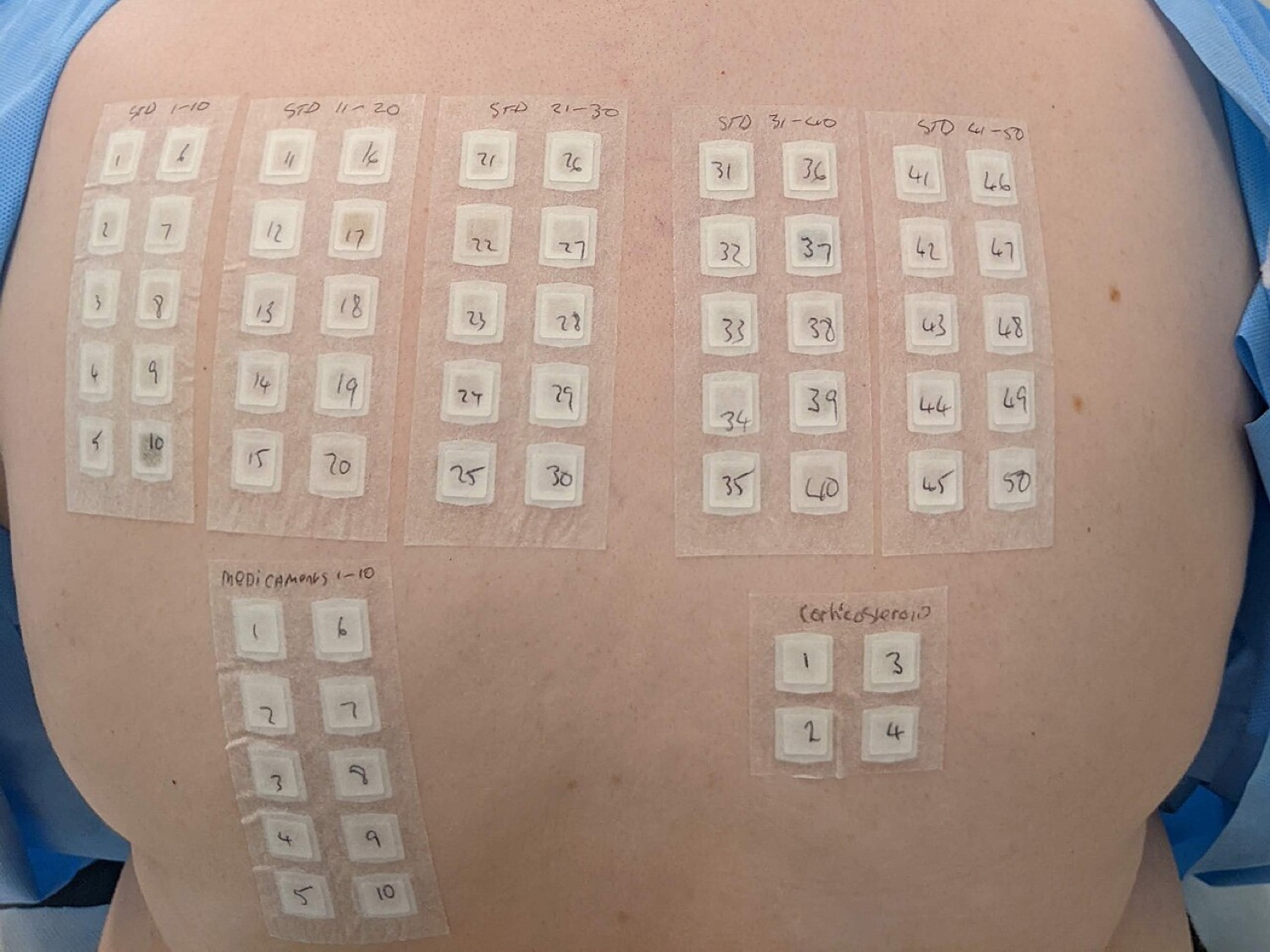
If you keep reacting to products and cannot work out why, a dermatologist can arrange formal patch testing. Small amounts of standard allergens are taped to the back and read over several days. This can identify specific culprits, such as fragrance mixes, preservatives or certain plant extracts, which is far more useful than guessing.
Stack the odds in your favour
- Introduce one new product at a time.
- Prefer fragrance-free formulas if your skin is reactive.
- Avoid testing anything new the week before an important event, a wedding, a big presentation or a long-planned trip to a casino resort, when a red, puffy face is the last thing you want.


