Moringa 101
Moringa oleifera has a long list of nicknames: the drumstick tree, after its long seed pods; the horseradish tree, after the taste of its roots; and, more recently, the "miracle tree". It is one of the most talked-about plants in natural skincare, so it deserves a careful look.
Where it grows
Moringa is native to the foothills of the Himalayas in northern India and neighbouring regions. It is now grown across the tropics and subtropics, including large parts of East and West Africa, where it is valued as a fast-growing, drought-tolerant tree. Smallholder farmers in countries such as Tanzania, Kenya and Ghana grow it for food, animal feed and oil.
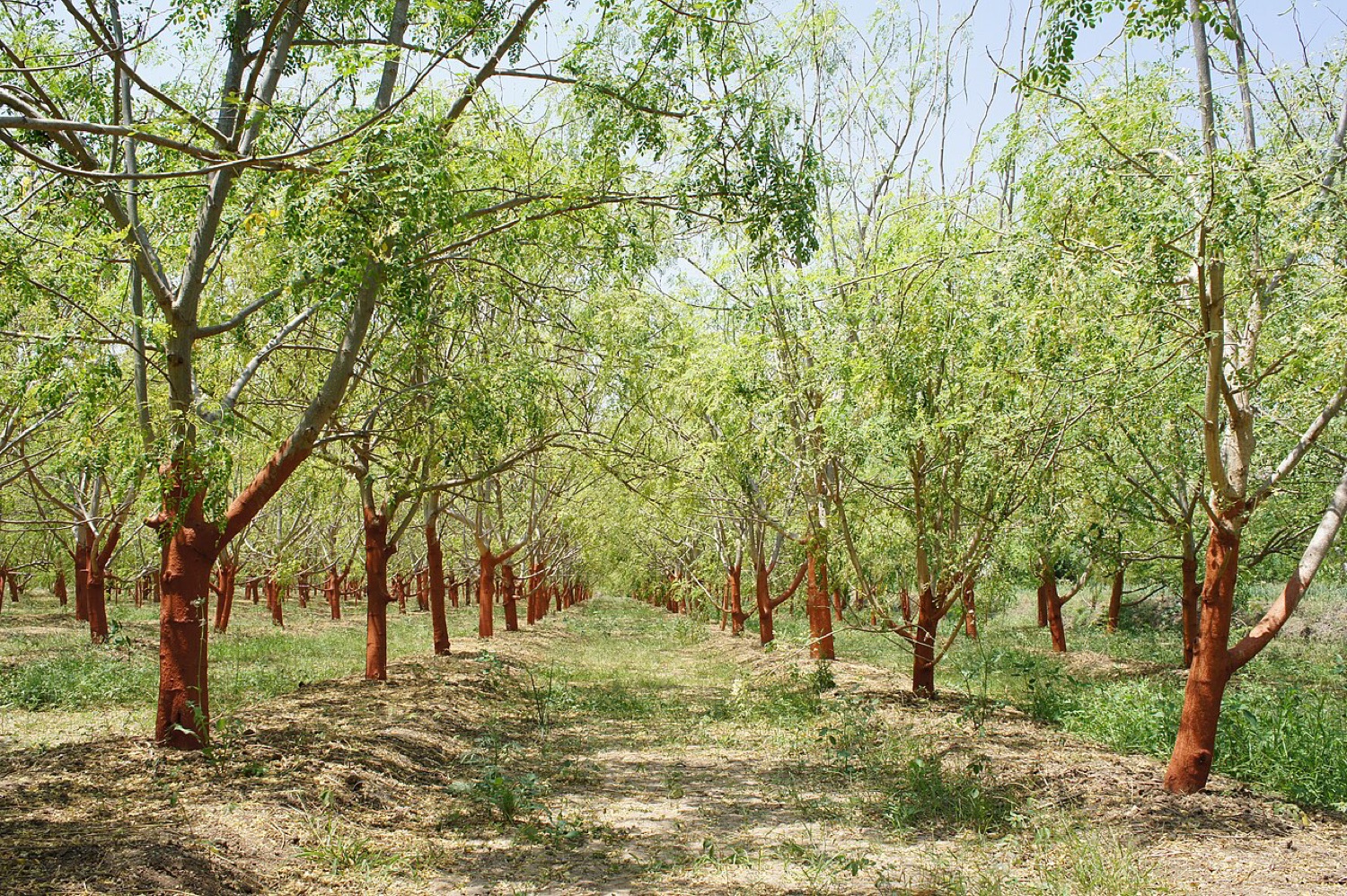
Leaves, seeds and oil
The leaves are eaten as a vegetable and dried into powder. They contain protein, vitamins A and C and minerals, which is why moringa is promoted in nutrition programmes.
The seeds are pressed to make moringa oil, historically called ben oil. It is rich in oleic acid and contains behenic acid, which gave the oil its old name. Ben oil is very slow to go rancid; perfumers once used it to capture flower scents and watchmakers used it as a fine lubricant.
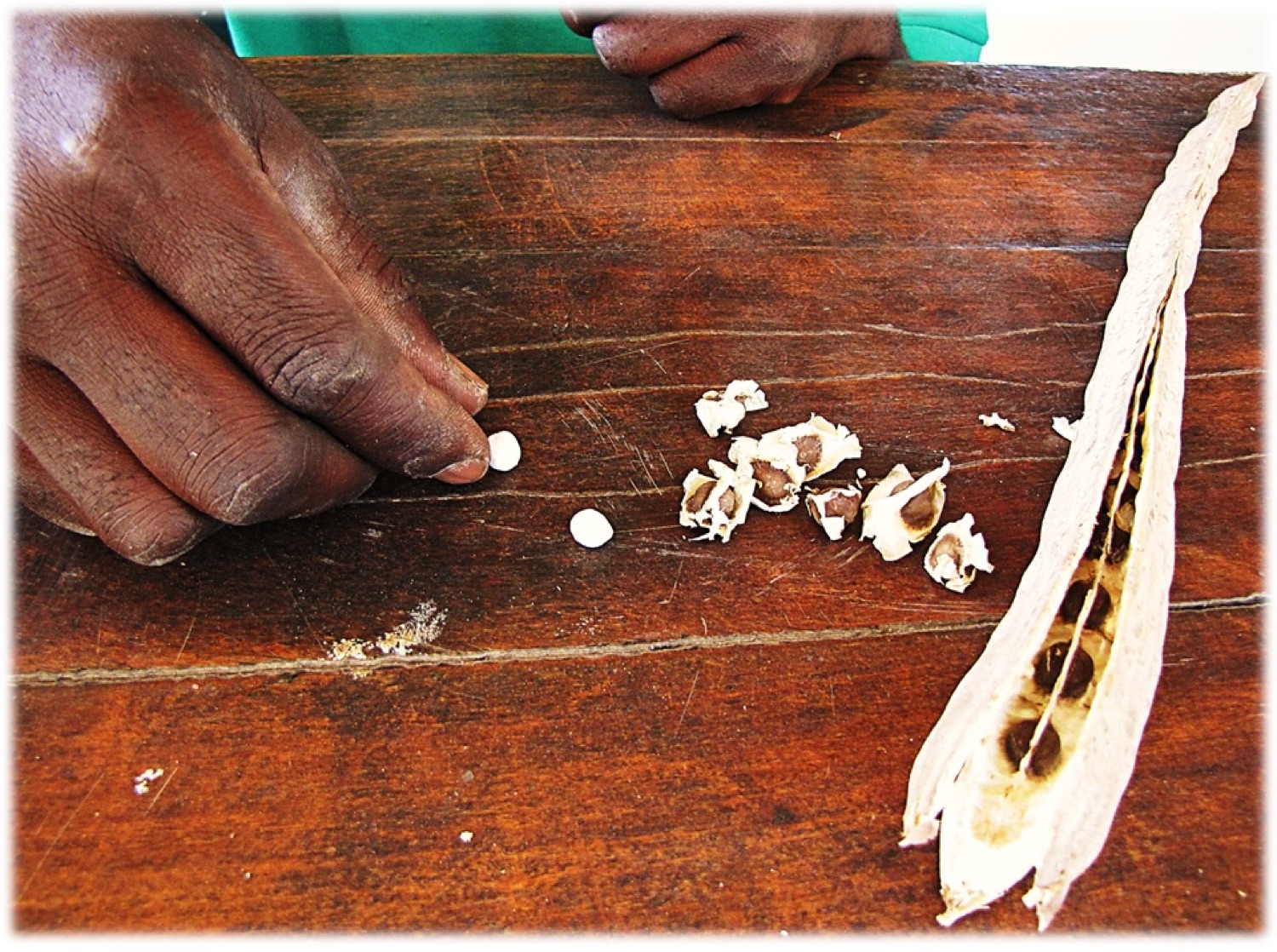
Moringa in skincare
In cosmetics, moringa seed oil works as a rich, stable emollient that suits dry and mature skin. Leaf extracts are added for their antioxidant compounds. Laboratory and small human studies are interesting, but the evidence for specific skin benefits remains limited.
Myths worth correcting
- "The only plant whose leaves contain amino acids." All plants make amino acids; they are the building blocks of every protein. Moringa leaves are relatively protein-rich, which is a different and more modest claim.
- "Cures eczema." No oil cures eczema. A good emollient can help manage dryness as part of a treatment plan.
- "Penetrates the deepest layers of the skin." Cosmetic oils act mainly on the outer layers.
Who might like it
People with dry or normal skin who want a stable, fairly rich oil, and anyone who values the story of a crop that supports small farmers. As always, choose fragrance-free blends if your skin is sensitive and patch test before using a new product.