EXPLORE OUR SKIN GUIDES


THE ORIGINS OF SKINCARE INGREDIENTS
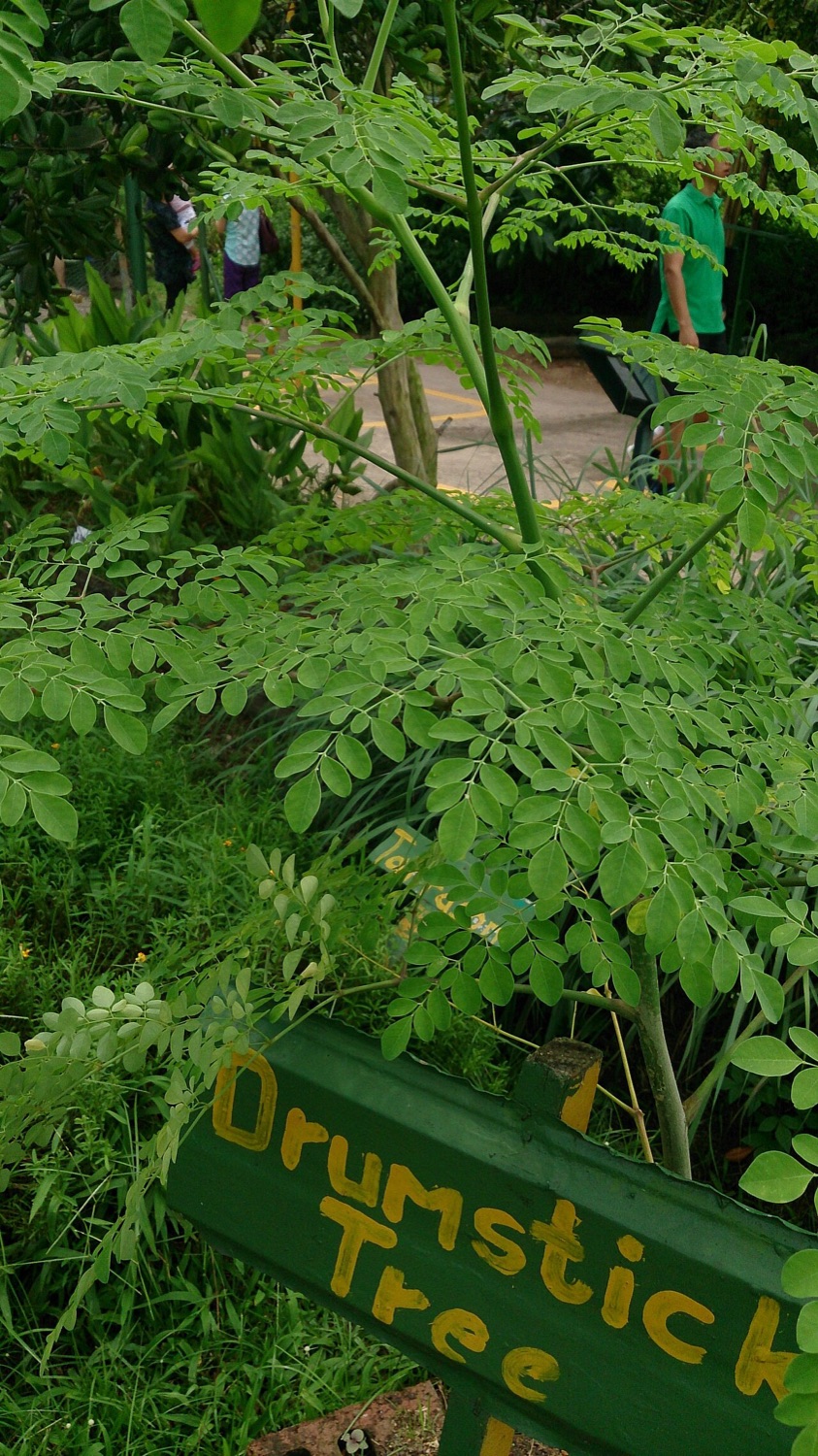
Photo: Mokkie, CC BY-SA 3.0, via Wikimedia Commons.
What's the Moringa Tree?
Moringa oleifera, the drumstick tree, grows fast in dry, hot places from northern India to the coast of Tanzania. Its leaves are eaten as a vegetable, and its seeds are pressed into a pale, stable oil once known as ben oil.
In skincare, moringa seed oil is a rich, slow-to-spoil emollient that suits dry skin, and leaf extracts add antioxidants. The tree has a big reputation, so in Moringa 101 we separate what is known from what is merely repeated.
Sourcing is at the core of good skincare
Where an ingredient comes from shapes what ends up in the bottle.
Shea butter, moringa oil and argan oil are produced largely by smallholder farmers and cooperatives, many of them run by women.
When seeds are pressed and leaves are dried close to where they grow, more of the value stays in the farming community.
That is why our ingredient guides look at harvesting, processing and certification as well as fatty acids.
WHEN SKINCARE IS DONE WELL
Evidence first
We read the studies behind popular ingredients and say plainly when the evidence is thin, instead of repeating label claims.
Fair sourcing
Many botanical oils are grown and pressed by small farmers, often women's groups. We explain what sourcing labels really guarantee.
Gentle by default
Short ingredient lists, fragrance-free options and patch testing come first, because calm skin is easier to keep than to rescue.
NEW TO FACE OILS? START HERE
- Pick one simple oil. A single, fragrance-free oil is easier to judge than a blend of twelve.
- Patch test for a week. Inner arm first, then a small area of the jaw.
- Use three drops at night. Press it into slightly damp skin after your moisturiser.
- Keep sunscreen in the morning. No oil replaces it, at home or by a resort pool.


